Packing light is useful only if the bag still works when you need a document, a layer, or a charging cable. This research-based guide organizes a carry-on around access and handoffs, rather than a fixed item count. The right contents depend on your itinerary, weather, activities, and booked baggage allowance.
The short version
- Check the operating carrier before choosing the bag.
- Keep journey essentials separate from clothes and destination supplies.
- Leave enough space to remove, replace, and repack items.
Begin with the booked journey
Read the allowance for every operating carrier and the actual fare. Check the number of items, dimensions, weight where specified, and any small-aircraft exceptions. A bag described as cabin-sized by its maker is not a universal acceptance guarantee. Measure the packed exterior, including handles and wheels where the carrier requires them.
Delta's guidance illustrates why the details matter: its published measurements include handles and wheels, partner rules can differ, and smaller aircraft may require larger cabin bags to travel in the hold. Use the relevant airline's own page for your itinerary rather than borrowing Delta's allowance for a different operator. Save the details with your booking information.
Divide by when you need things
Use three groups: items for the journey, items for the first evening, and the rest of the stay. Keep documents, essential personal items, a layer, and the electronics you need en route in an accessible part of your permitted baggage. Put the first-evening group together so a late arrival does not require spreading everything across a room.
Pack clothes around repeatable combinations and the activities actually planned. Lay them out before using organizers. If an item works with only one outfit or depends on an unlikely event, question its place. Where washing is practical, include that plan explicitly rather than assuming that every destination will have convenient facilities.
Use containers to maintain a system
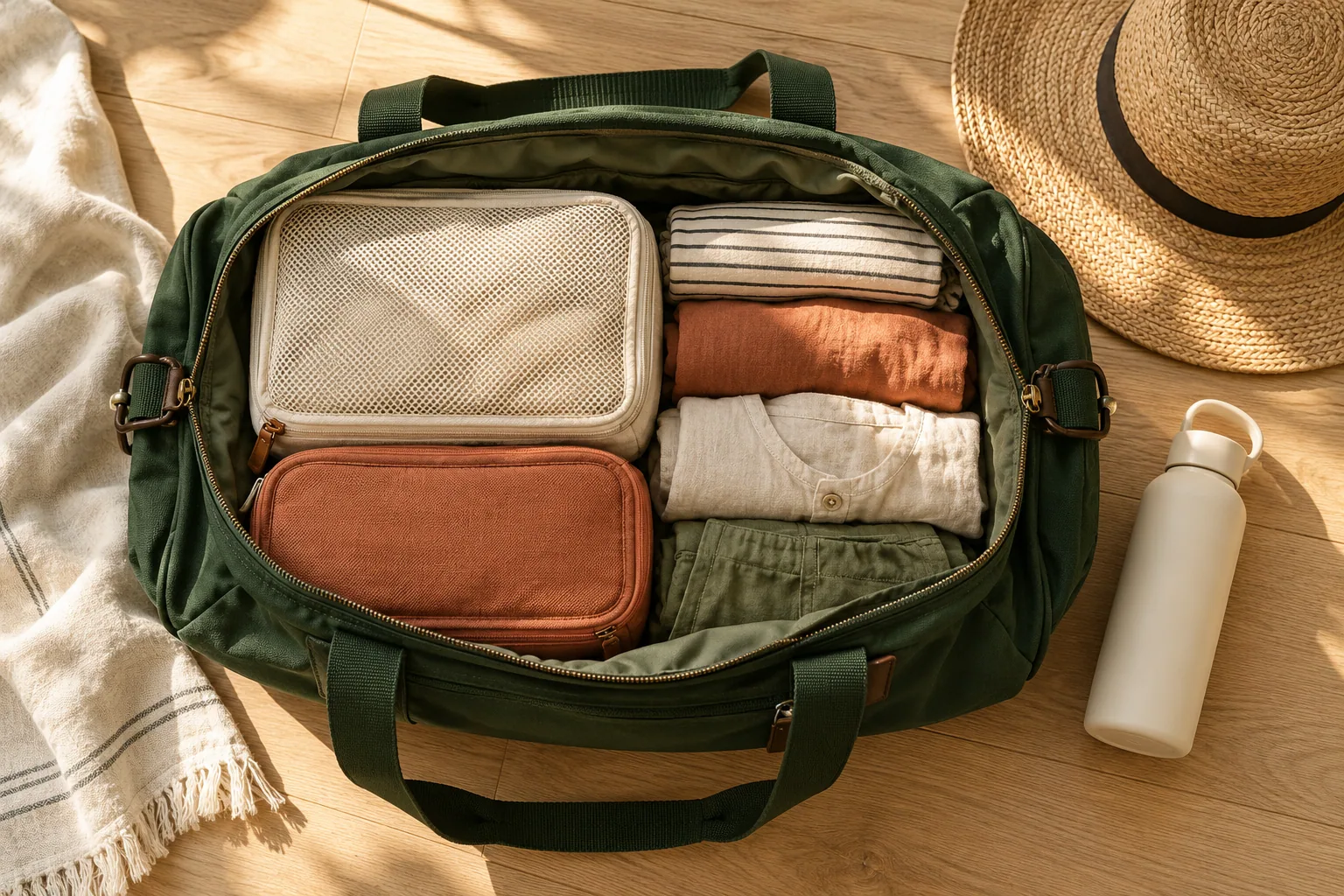
A few pouches can separate clean clothing, laundry, and small accessories. Their purpose is identification and controlled access, not adding a second set of rigid walls inside the bag. Test the layout with containers you already have before deciding whether a different shape would improve it.
Leave space to open a pouch and replace its contents. A tightly compressed bag may close at home but become difficult after a security inspection or a change of clothes. Give items likely to need separate inspection their own reachable position, and consult the relevant airport security authority for current instructions. Screening practices and liquid restrictions are not identical everywhere.
Pack for an unexpected handoff
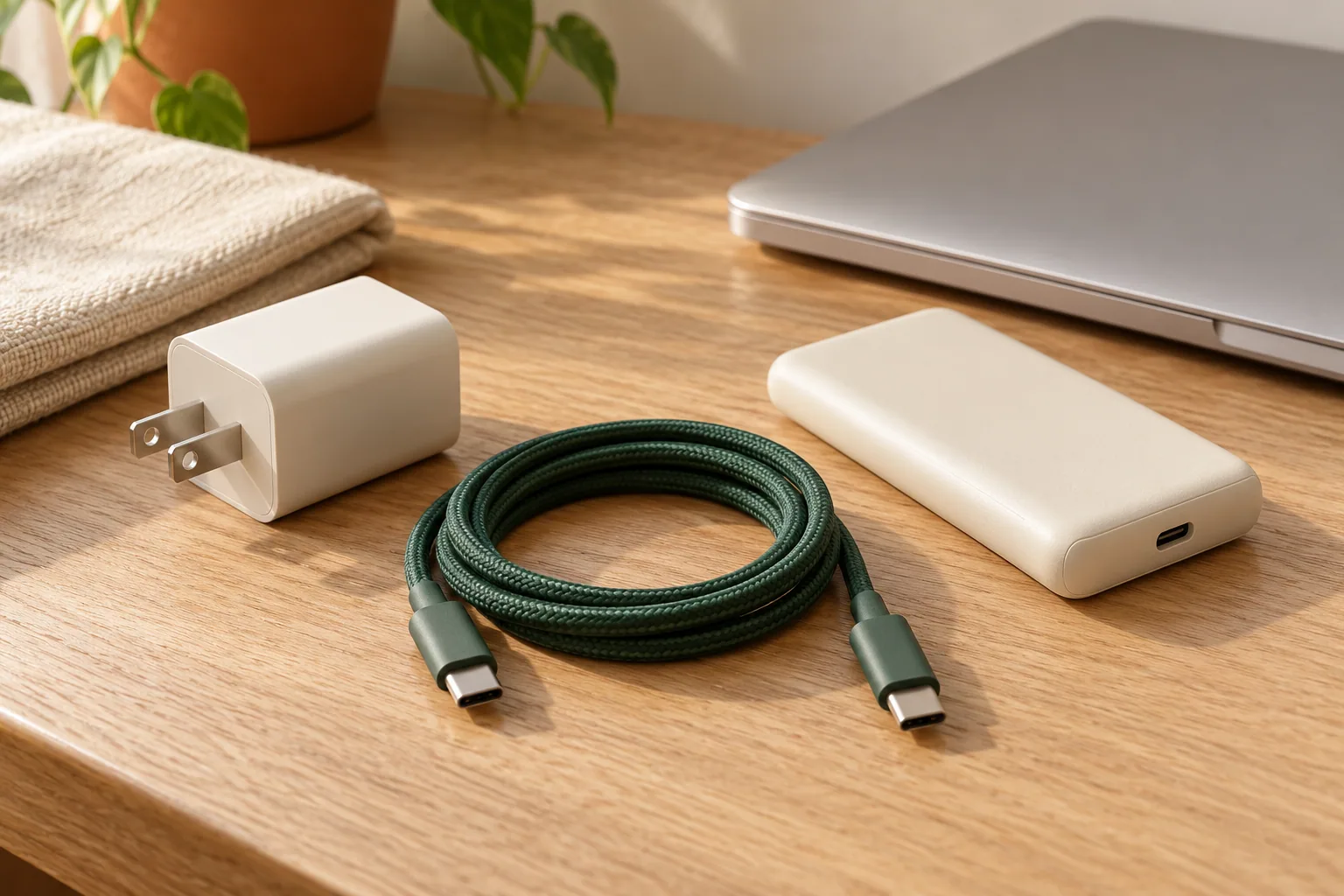
Imagine a gate agent asking for the larger bag. Which items must stay with you, and can you remove them quickly? FAA battery guidance requires power banks and spare lithium batteries to remain in the cabin when a carry-on is gate-checked. Check the operating airline's current battery policy as well, including where these items must be stored.
Keep a small essentials group ready rather than starting a repack at the aircraft door. Make sure your remaining personal item still meets the carrier's rules. This is also a useful test of whether an expensive or fragile item has a sensible place in the system.
Do one complete rehearsal
Close the bag, carry it, put on your outer layer, and retrieve the items you will need first. Notice whether straps snag, a bottle is difficult to reach, or the bag becomes awkward when one hand is occupied. Remove something before solving every problem with another organizer. A workable packing system should be easy to repeat on the return journey.
Your next-step checklist
- Check every operating carrier's booked allowance.
- Measure and weigh the fully packed bag as required.
- Separate journey essentials and first-evening items.
- Keep batteries accessible for a possible gate check.
- Rehearse retrieval and leave room to repack.
Sources & further reading
Reference material used for this research guide. Requirements and product documentation can change; check the relevant source before acting.
This is a research-based guide, not a hands-on product review. It contains no affiliate shopping links. Read our editorial approach.