A small room rarely needs every available storage idea. It needs a few decisions that make ordinary activities easier: somewhere to put a bag, a clear surface for dinner, and a way to finish work without leaving equipment across the room. This research-based guide starts with those routines, then adds practical furniture and electrical checks.
The short version
- Assign space to repeated activities before choosing furniture.
- Measure the space a task needs, including doors, chairs, and access to storage.
- Keep frequently used items easy to reach and make the evening reset simple.
Map movements before objects
Draw a rough floor plan and mark the route from the entrance to the places you use most. Include the space needed to open drawers, pull out a chair, and reach a window. A piece can fit against a wall while making the room awkward when it is in use. Measure both its parked position and its working position.
Next, list the three activities that happen most often. Give each a dependable landing place. Reading may need a lamp and a small shelf rather than a new armchair. Working may need a stable surface that closes away. This is an editorial planning method, not a universal formula for room dimensions.
Choose furniture by the changeover
Multipurpose furniture earns its place when changing modes is easy. A table that folds only after twenty objects are removed may stay open permanently. Before choosing it, rehearse the changeover with the things you already own: where does the laptop go, where does the chair live, and can one person complete the move?
Prefer fewer useful surfaces to a chain of tiny ones that collect clutter. When comparing two pieces, consider access and maintenance as well as capacity. A deep cabinet can hold more while hiding the items you use every morning. An open shelf is accessible but leaves its contents visible and exposed to dust.
Store by frequency, then leave room to reset
Place daily items where the activity happens. Keep occasional equipment in less convenient spaces, with a short label describing its purpose. Try existing boxes before buying a matching set. The aim is to discover the right size and location, rather than fit your routine around containers.
Give incoming objects a boundary: one tray for post, one hook for a daily bag, one place for cables awaiting repair. A boundary works only if there is a next step. Set a regular moment to empty it, and keep a small amount of unallocated space for temporary needs such as a guest bag or a delivery.
Finish with stability and power
Going vertical does not remove the need for stability. The U.S. Consumer Product Safety Commission recommends securing furniture and televisions against tip-over and following the manufacturer's anchoring instructions. Check the actual furniture and wall requirements; a decorative storage plan is not an installation specification.
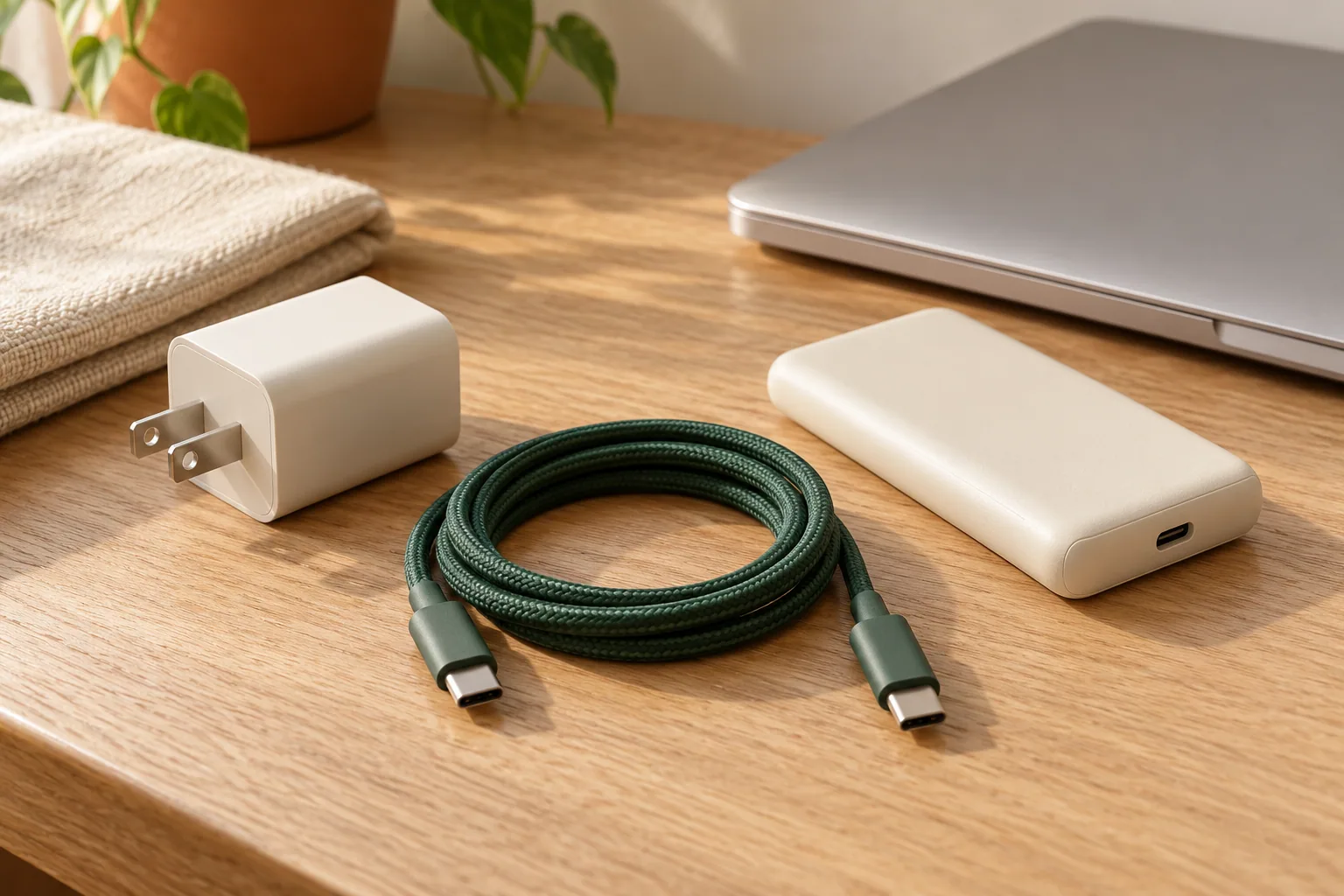
Plan power access before hiding cables. U.S. Fire Administration guidance warns against overloaded outlets and power strips, damaged cords, and cords pinched beneath rugs. Major appliances should connect directly to a wall outlet. Keep your layout within the equipment instructions rather than adding adapters to make an inconvenient arrangement work.
Your next-step checklist
- Measure furniture in both its stored and working positions.
- Walk the main routes with drawers and doors open.
- Give each daily activity one dependable home.
- Check anchoring instructions and cable condition.
- Reassess the layout after a week of ordinary use.
Sources & further reading
Reference material used for this research guide. Requirements and product documentation can change; check the relevant source before acting.
This is a research-based guide, not a hands-on product review. It contains no affiliate shopping links. Read our editorial approach.